

lang
Technology taking shape, expertise becoming material

Technical Area

At the heart of our facilities, innovation is translated into tangible machinery, processes and expertise.
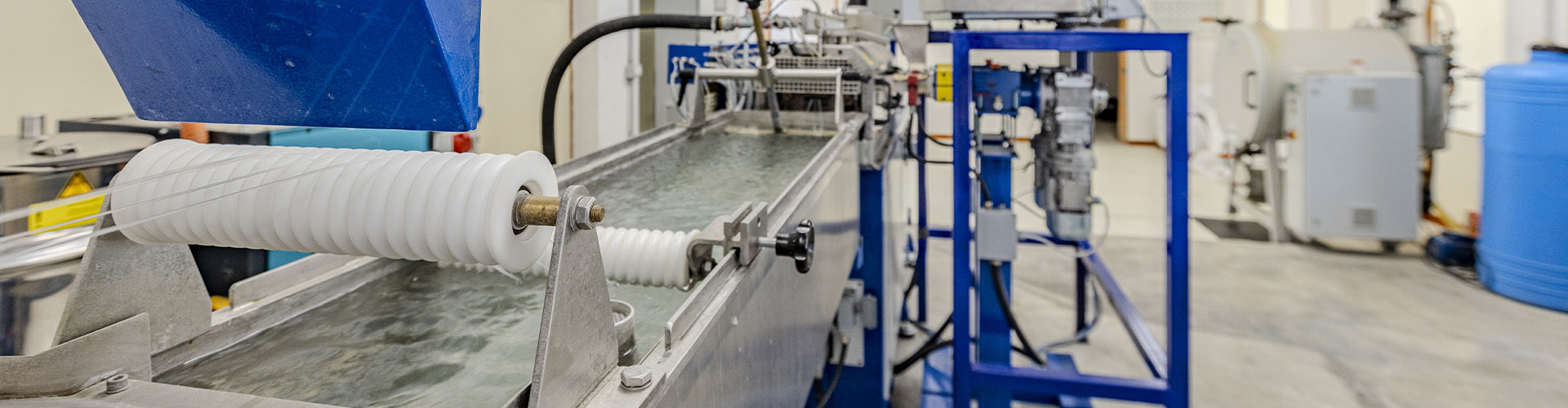
RES’s Technical Area is where applied research meets production: here, materials are transformed, tested and refined through advanced technologies dedicated to polymer extrusion, moulding and spinning.

Each machine is a tool for knowledge before it is a tool for production. From the development of compounds and granules to the creation of samples and synthetic fibres, our facilities enable the simulation, validation and optimisation of industrial processes, supporting the development of new materials and high value-added solutions.

A technical ecosystem designed to ensure reliability, precision and effective technology transfer, serving the circular economy and sustainable innovation.
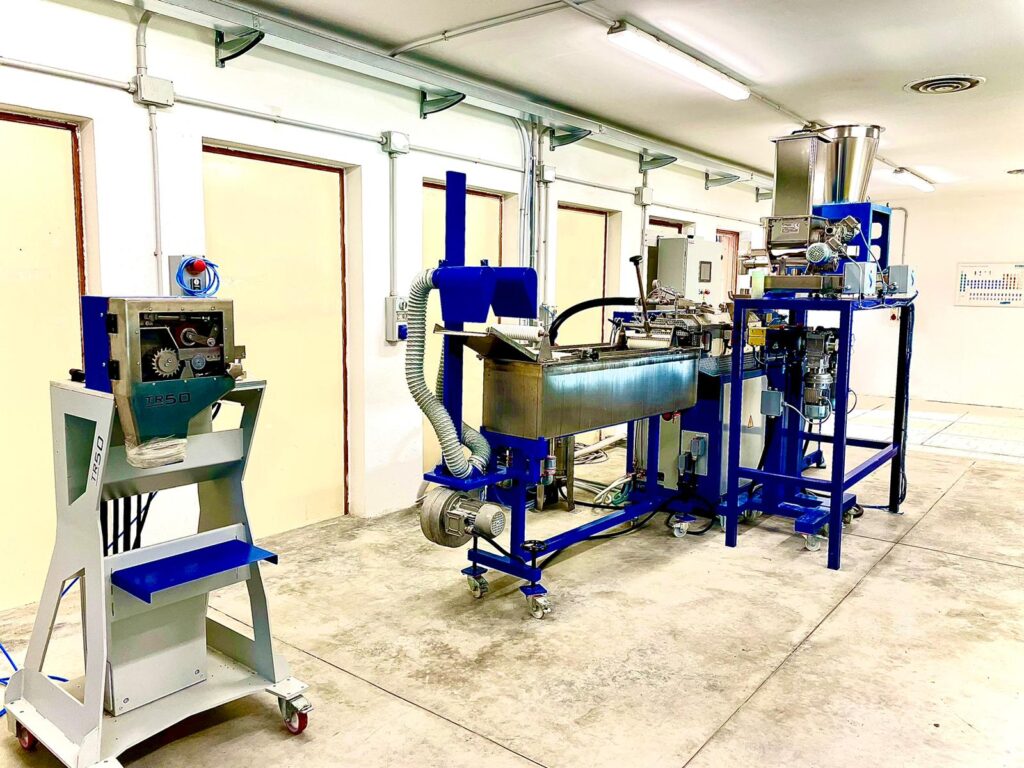
Co-rotating twin-screw extruder ø 25 mm (COMAC)
During the extrusion and compounding process, plastic polymers are accurately dosed, melted and homogeneously blended with specific additives (powders, fibres and fillers). The material is then extruded in the form of strands, cooled and cut into granules, which can subsequently be processed using any transformation technology (moulding, blow moulding, thermoforming). The machine is also capable of processing flakes and powders, with a production capacity of approximately 20 kg/h.

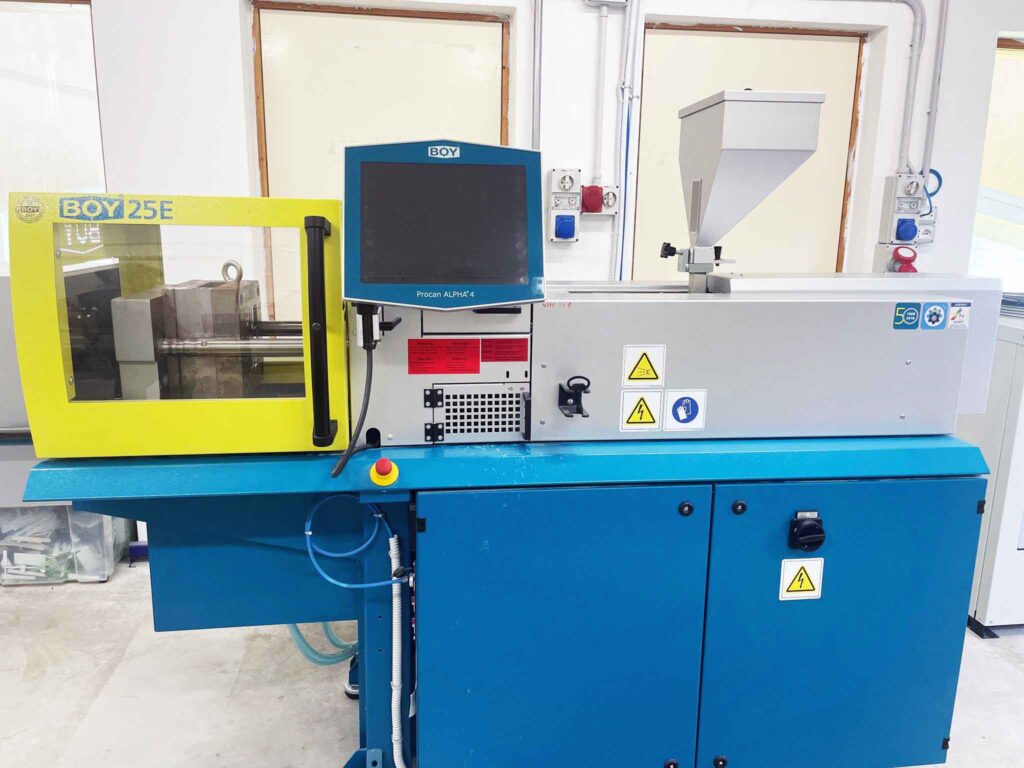
25-ton BOY injection moulding machine
Injection moulding is a transformation process in which plastic material, mainly in granules, is melted and injected into a mould which, once cooled, is opened to obtain the finished product. Thanks to the auxiliary equipment available, it is also possible to dehumidify the various materials prior to processing. The minimum material quantity required for moulding test specimens is 10 kg. The BOY 25E injection moulding machine installed at the RES centre enables the production of ASTM-standard test specimens, which are then subjected to subsequent mechanical testing.

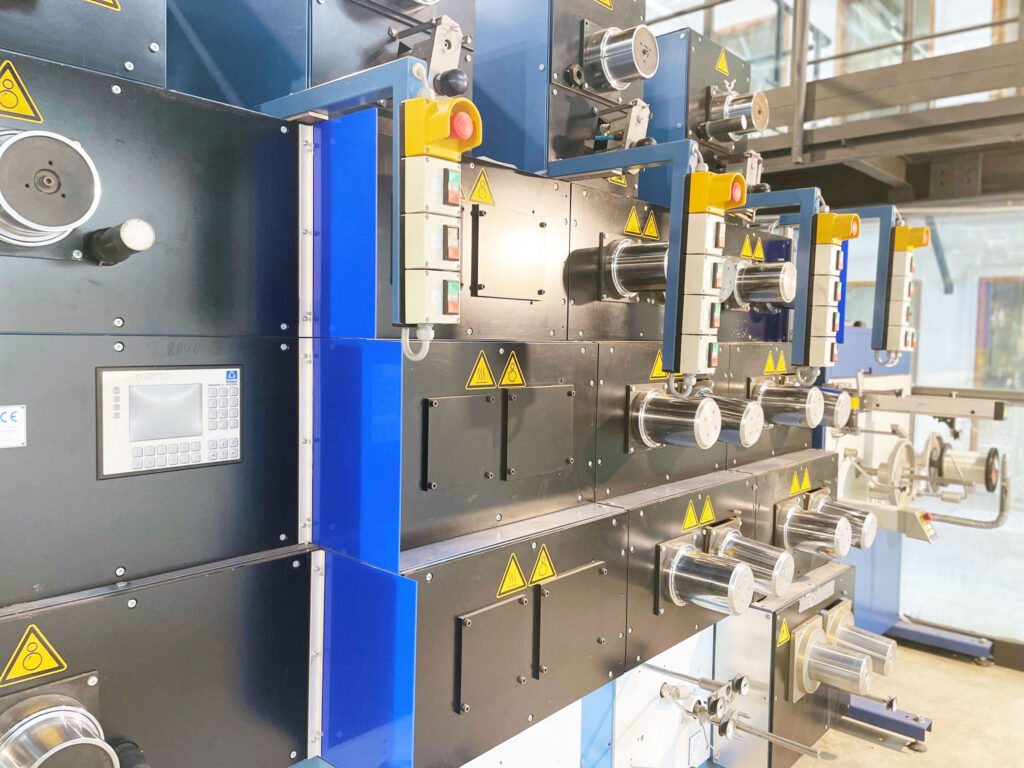
Spinning Machine

Spinning is a manufacturing process used to produce synthetic fibres. The system consists of three extruders, each with a capacity of approximately 10 kg/h, feeding into a spinning head with two spinneret packs. Each pack extrudes around 100 filaments, which can be either partially oriented or fully oriented within the spinning zone.